Fire & Smoke Damage Restoration in Taylor

Local crews · Open 24/7 · (734) 371-5880

If you're a homeowner in Taylor facing the overwhelming aftermath of fire and smoke damage, United Water Restoration Group of Downriver is here to help you restore your property. Experienced in tackling the unique challenges of Southeast Michigan's climate, we understand how devastating fire incidents can be, especially in homes with classic construction styles. We offer prompt assessments and specialized restoration services to mitigate further damage and bring your property back to its former state. With our team's expertise and dedication, you can feel confident in regaining a safe and comfortable living space following a fire mishap.

  • Homeowners call for swift response to smoke damage cleanup due to sudden fires.
  • Local properties often require skilled restoration after cooking mishaps or faulty wiring incidents.
  • Many seek help for addressing lingering odors and ash residue that can affect indoor air quality.

Taylor is one of the larger cities we serve Downriver and one of the most uniformly post-war, block after block of 1950s and 60s homes on full basements. Scale changes the job here: a storm that overwhelms the sewers produces dozens of backed-up basements at once, and the deciding factor becomes how fast equipment reaches the street rather than anything clever. United Water Restoration Group of Downriver stages for Taylor accordingly, and treats sewage backup as the contamination job it is.

Crews dispatch 24/7 from our Romulus base at 26640 Carly Drive and cover all of Taylor — one local team, no subcontracted call centers. See all services in Taylor or read more about fire & smoke damage restoration.

When fire and smoke disrupt your home, don’t wait for damage to worsen. Call United Water Restoration Group of Downriver at (734) 371-5880 for immediate assistance and to ensure your home is safely restored.

Common Causes We See in Taylor

  • Kitchen fires, usually from unattended cooking.
  • Faulty electrical wiring, often in older homes.
  • Fireplace and chimney mishaps, typical in colder months.
  • Attic fires, stemming from improper insulation.
  • Portable heater malfunctions, especially in winter.
  • Lightning strikes, rare but potent in summer storms.
  • Arson or vandalism, unfortunately not uncommon.
  • Cigarette mishaps, from lapses in safe smoking habits.

While You Wait for the Crew

A few minutes of the right first moves can save thousands in damage. Here is what to do — and what not to do — before we reach Taylor.

Do

  • Ensure everyone is safe and evacuate if necessary.
  • Call emergency services and United Water Restoration.
  • Ventilate the area by opening windows to disperse smoke.
  • Document the damage with photos and notes for insurance.

Don’t

  • Do not enter the area until it is deemed safe.
  • Avoid using electrical appliances until inspected.
  • Refrain from cleaning residues yourself; it can worsen damage.
  • Do not turn on HVAC systems that may be contaminated.

Crews are standing by near Taylor right now.

Call (734) 371-5880
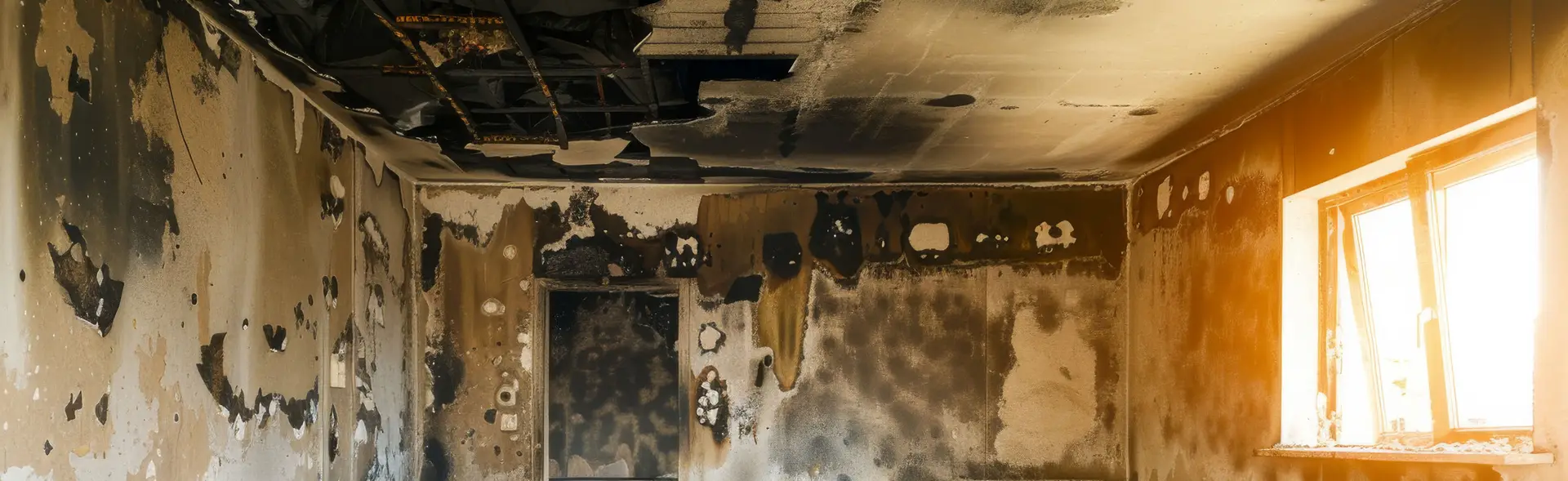
Fire and smoke damage inside a home before restoration

Our Process

  1. 1

    Initial Assessment and Inspection

    Our team conducts a detailed inspection of the property to assess fire and smoke damage extent and checks for secondary issues like water damage.

  2. 2

    Board-up and Roof Tarping

    We secure the property to prevent further damage and unauthorized entry by board-up solutions and roof tarping.

  3. 3

    Smoke and Soot Removal

    Using chem sponges and deep-cleaning techniques, we meticulously remove all soot and smoke residues from affected surfaces.

  4. 4

    Odor Neutralization

    Advanced deodorization methods such as thermal fogging and ozone treatment are applied to eliminate persistent smoke odors.

  5. 5

    Final Restoration and Insurance Assistance

    Restoration efforts conclude with repair and reconstruction while providing comprehensive support for insurance claims.

We Work With Your Insurance

Our crews document everything — photos, moisture readings, and a clear scope of work — in the format adjusters expect, and we communicate with your insurance company throughout the job. Taylor homeowners always know what is happening and what their policy covers before work begins.

AllstateState FarmLiberty MutualProgressiveNationwideFarmers InsuranceAmerican Family InsuranceChubbUniversal Property & CasualtyHeritage Insurance
Technician walking a homeowner through the insurance scope on a tablet

Frequently Asked Questions

Do you serve my city, town or ZIP code?

Taylor is inside the territory this office covers, along with Allen Park, Belleville, Canton, Dearborn, Dearborn Heights and Flat Rock. Coverage follows your address rather than how far out a town sounds, so if you are near the edge of that list, give the cross streets or your ZIP code on the call and you will get a straight yes or no before anyone is scheduled.

The town I am in is not the one in your name — do you still come out here?

The city in the office name is where it is based, not the limit of where it works: Allen Park, Belleville, Canton, Dearborn, Dearborn Heights and Flat Rock are covered the same way Taylor is. Franchise territories are drawn by area rather than by the single town on the sign, which is why the name on the door and the town on your mail often differ. Confirm your address on the call rather than ruling yourself out.

How quickly can a crew reach my address?

That depends on where in Taylor you are, the roads, and what the crews already have running, so any single figure published here would be guesswork. The phone is answered around the clock, and you get an honest arrival window for your own address on that call. If water is still coming in, say so first — the steps to take while you wait matter more than the drive time.

Do you work on rentals, condos, businesses and manufactured homes here?

Rentals, condos, storefronts, restaurants and manufactured homes are all routine work, and the building type changes the access and the drying plan more than it changes the method. ANSI/IICRC S500 sorts a loss into Class 1 through 4 by how much water the structure absorbed and how hard it is to dry, which reads the same in a crawl space as in an office. Who pays — owner, tenant or association — is set by your lease, declaration and master policy, so read yours.

Do you handle fire and smoke damage restoration, or only water damage?

Both. Fire and smoke work is its own discipline with its own standard, ANSI/IICRC S700, covering soot removal, odor control and the cleaning of surfaces flame never touched. Smoke residue sorts into four types — dry, wet, protein and fuel oil — each cleaned differently, so the scope comes from an inspection of your specific loss rather than from a list set in advance. Water damage follows a separate standard, S500, and many fire losses involve both.

Can smoke smell from cigarettes or marijuana actually be removed, or only covered up?

Masking fails because smoke odor is residue sitting on surfaces, not air. Deodorization works in four stages: remove the source material, clean every surface holding residue, treat what remains, then seal what cannot be cleaned. ANSI/IICRC S700 puts source removal before any sealing, and that holds for tobacco or cannabis alike. The EPA and CDC describe residual tobacco smoke settling into walls, carpet and dust long after the smell fades. Heavy saturation often means replacing some materials, and every house differs.

Can you keep the smell from spreading to the rest of my house while you work?

Containment comes first, before any cleaning. The work area is sealed with sheeting and held under negative pressure so air moves into the zone rather than out into the rest of the home, then exhausted through HEPA filtration, which captures 99.97 percent of particles at 0.3 microns, the hardest size to catch. IICRC S520 describes the same containment principle for mold work. How much enclosing a home needs, and how completely it holds, depends on how far residue already traveled.

How do I tell whether a smell is on the surface or coming from inside the wall?

Press a damp white cloth on a hidden patch. If residue transfers and that spot goes quiet, it was surface odor. If it returns a day or two after cleaning, or sharpens when the heating and cooling system runs, the source sits in a wall cavity, insulation or ductwork. ANSI/IICRC S700 treats odor as residue to be located, not covered, and protein residue leaves almost no visible mark while carrying strong odor, so a cloth coming back clean does not rule it out.

Request Service Online

Tell us what happened and we will call you right back. For emergencies, calling (734) 371-5880 is always fastest — we answer 24/7.

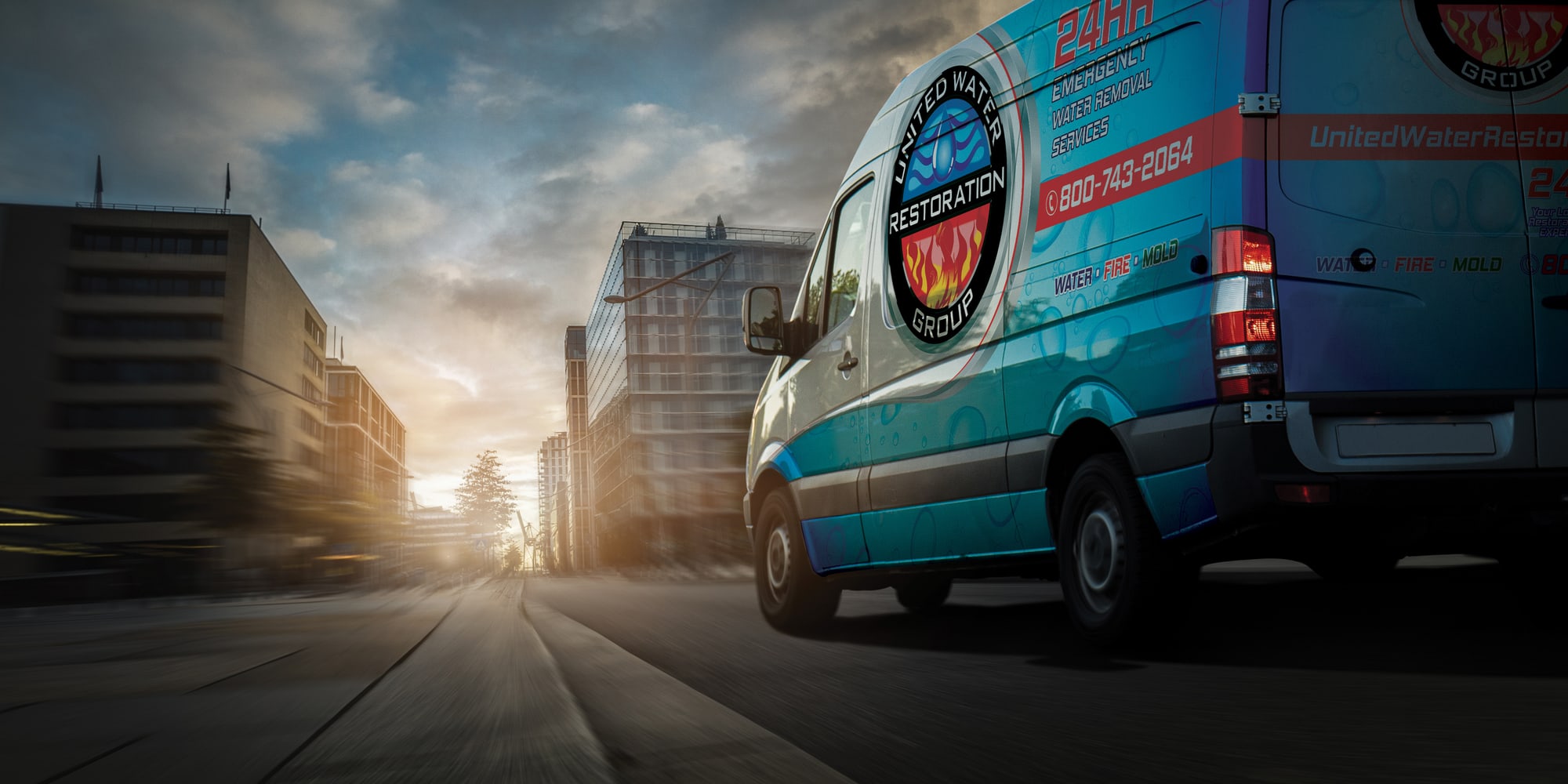
A United Water Restoration Group of Downriver van heading out on an emergency call at sunset

In Case of Property Damage, Call:

734-371-5880

We answer around the clock and dispatch from right here in Romulus.

IICRC Certified · Water · Fire · Mold · 24/7 Emergency Response