Storm Damage Cleanup

Serving all of Downriver · Open 24/7 · (734) 371-5880

In the neighborhoods of Allen Park, homes often boast the charm of 1960s construction, complete with finished basements. However, these spaces are especially vulnerable to flooding when severe storms hit. The post-war homes in this area frequently face challenges from outdated sump pumps and sewer systems. When a storm strikes, the team at United Water Restoration Group of Downriver is ready to respond. Call us at (734) 371-5880, and we'll swiftly deploy our experienced team to mitigate the damage. Our IICRC-certified technicians arrive equipped to handle everything from water extraction to structural drying, ensuring your home is restored with care and efficiency.

  • 24/7 emergency response line
  • IICRC-certified technicians
  • Specialized in basement flood cleanup
  • Latest moisture detection technology
  • Comprehensive insurance claim support

Expert Storm Damage Assessment

When a storm wreaks havoc in Downriver, assessing the damage quickly is critical to prevent further issues such as mold. Our process begins with a thorough inspection to identify the extent of storm damage. Equipment like moisture meters and thermal imaging aids us in mapping the moisture in your property. This accurate scope of work helps us pinpoint areas where moisture may hide, from carpet fiber to the crevices of your basement, ensuring no remnants of water are left behind.

In the Downriver region, where basements are prevalent, water can quickly become a concerning issue. Whether it's rainwater wicking up your walls or a sump pump failure, our team is prepared. We monitor relative humidity levels and create containment barriers if necessary, to prevent secondary damage. Our moisture mapping and thermal imaging inspection are industry standards, providing insights essential for an effective recovery strategy.

Professional Water Extraction and Structural Drying

Once the assessment is complete, our focus shifts to removing standing water and drying the affected areas. In basements, where water tends to accumulate, our team uses high-powered extractors to ensure complete water removal. For structural drying, air movers and low-grain refrigerant dehumidifiers are employed to eliminate moisture from drywall, subfloors, and carpets. Our goal is to save as much of your home’s materials as possible while preventing mold growth.

Water can come in different classes and categories, and each requires tailored handling. From Category 1 clean water to more contaminated Category 3 black water, we ensure that your environment is sanitized thoroughly. Our daily drying logs allow us to track progress and adjust strategies as needed to achieve optimal results. By deploying negative air machines and antimicrobial treatments, we ensure that your home is restored to a safe and healthy state.

Navigating Insurance Claims with Ease

Dealing with storm damage is stressful enough, and we strive to make the insurance claim process as straightforward as possible. Our team is experienced in working with various insurance companies and can guide you through claim submission. We provide documentation that adheres to the IICRC S500 standard, giving you and your insurance adjuster a clear understanding of the damages and restoration needs.

We assist in preparing industry-standard estimating reports, ensuring that all aspects of the storm damage are addressed comprehensively. Our communication with your insurance company helps streamline the process and ensure quick approvals. Whether you’re dealing with a large loss or a minor incident, our experience is invaluable in getting your home restored effectively and efficiently.

Common Causes We See in Downriver

  • Heavy rain resulting in flooding, especially in basements
  • Excessive wind leading to roof and siding damage
  • Ice dams causing water to back up under shingles
  • Frozen pipes bursting during the cold winter months
  • Spring thaw raising groundwater against foundations
  • Thunderstorms leading to overwhelmed sewer systems
  • Sump pump failures causing significant water ingress
  • Tree branches falling due to high winds, impacting structures

While You Wait for the Crew

A few minutes of the right first moves can save thousands in damage. Here is what to do — and what not to do — before we arrive.

Do

  • Turn off electrical power to affected areas
  • Move valuables and furniture to dry areas
  • Document visible damage with photos
  • Contact United Water Restoration Group immediately
  • Remove excess water with mops and buckets if safe

Don’t

  • Do not enter flooded areas if electrical hazards exist
  • Avoid using your HVAC system to dry water
  • Don't hesitate to call for professional help
  • Don't attempt major repairs yourself

Crews are standing by in Downriver right now.

Call (734) 371-5880

How It Works

Here Is What Happens When You Call

The hardest part of property damage is facing it on your own. You do not have to — from the first phone call, it is our job, not yours.

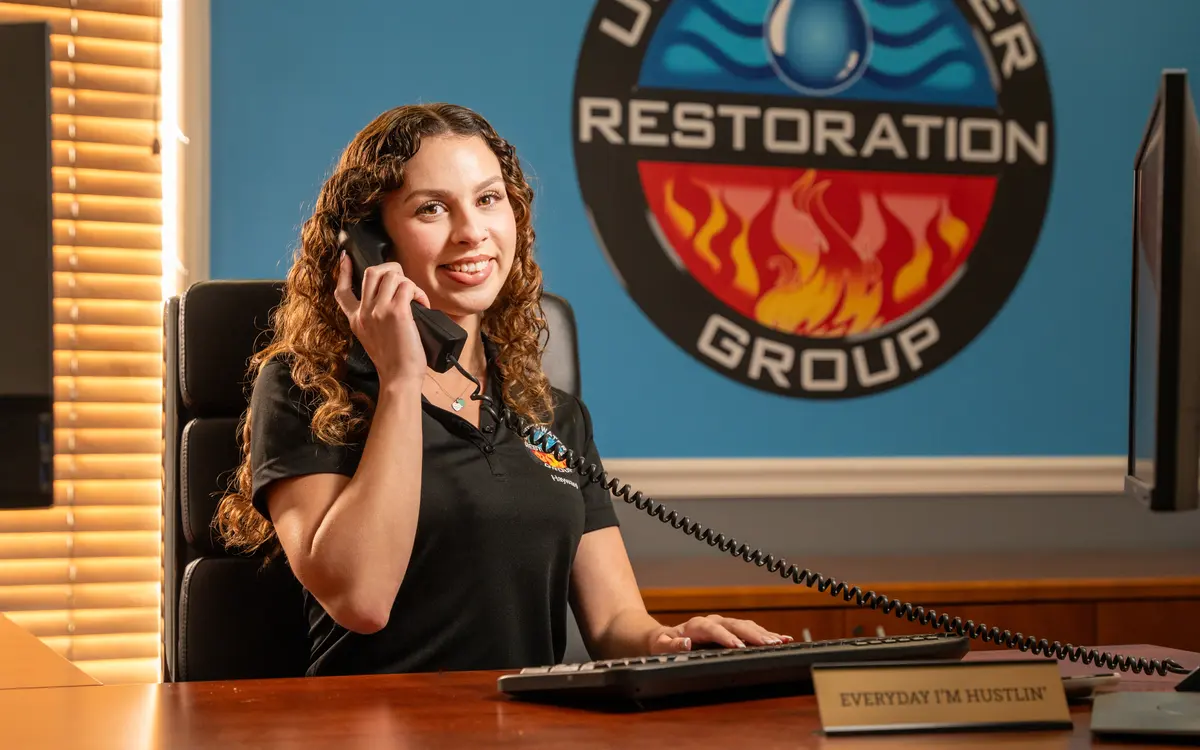
  1. A dispatcher at her desk answering the phone

    Step 01

    Initial Contact and Dispatch

    When you call us, our response team quickly gathers information about your situation and dispatches a crew to your location. Our immediate attention focuses on understanding the type of storm damage and coordinating the necessary equipment and personnel.

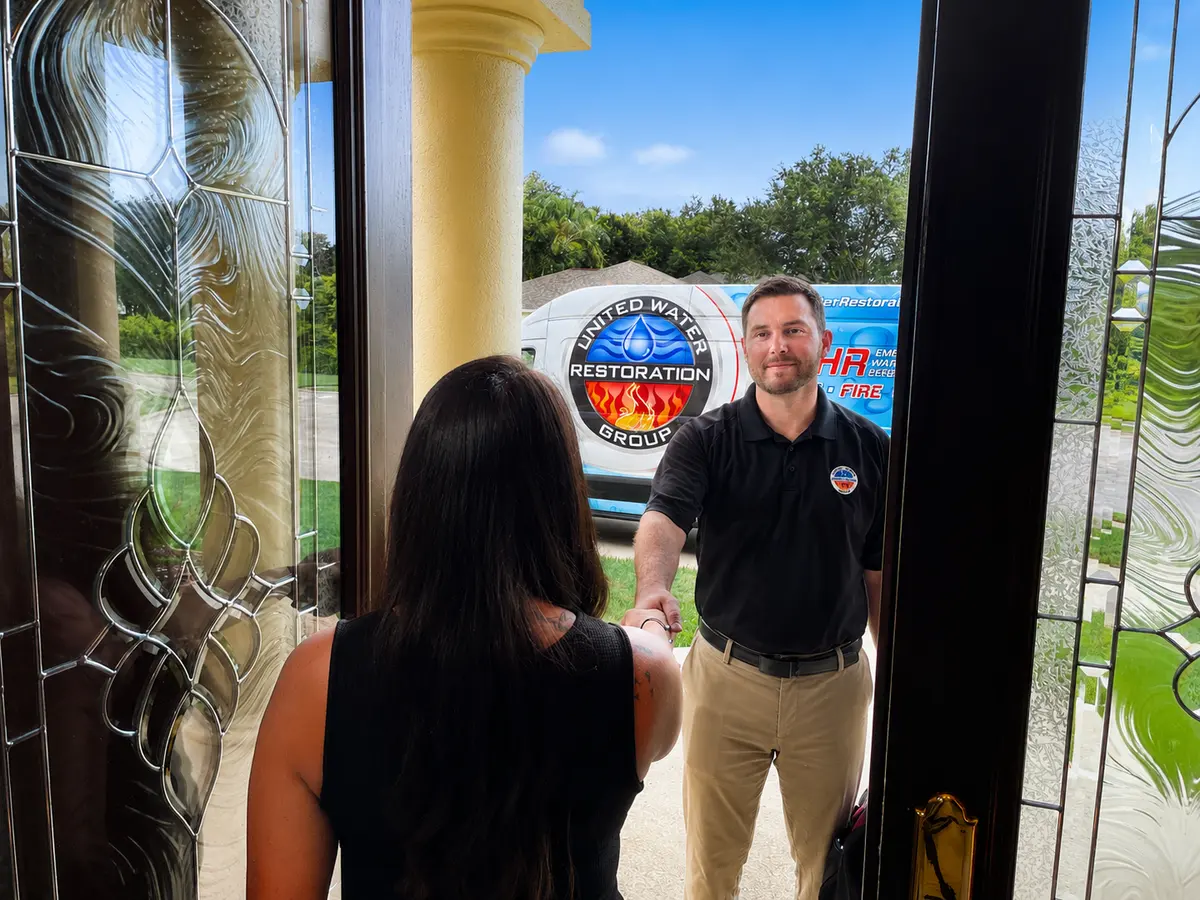
  2. A technician arriving at a homeowner’s front door to look at the damage

    Step 02

    Damage Assessment and Planning

    Upon arrival, our technicians conduct a detailed assessment of your property using thermal imaging and moisture meters. This allows us to identify the extent of the damage and develop a tailored plan of action that targets affected areas efficiently.

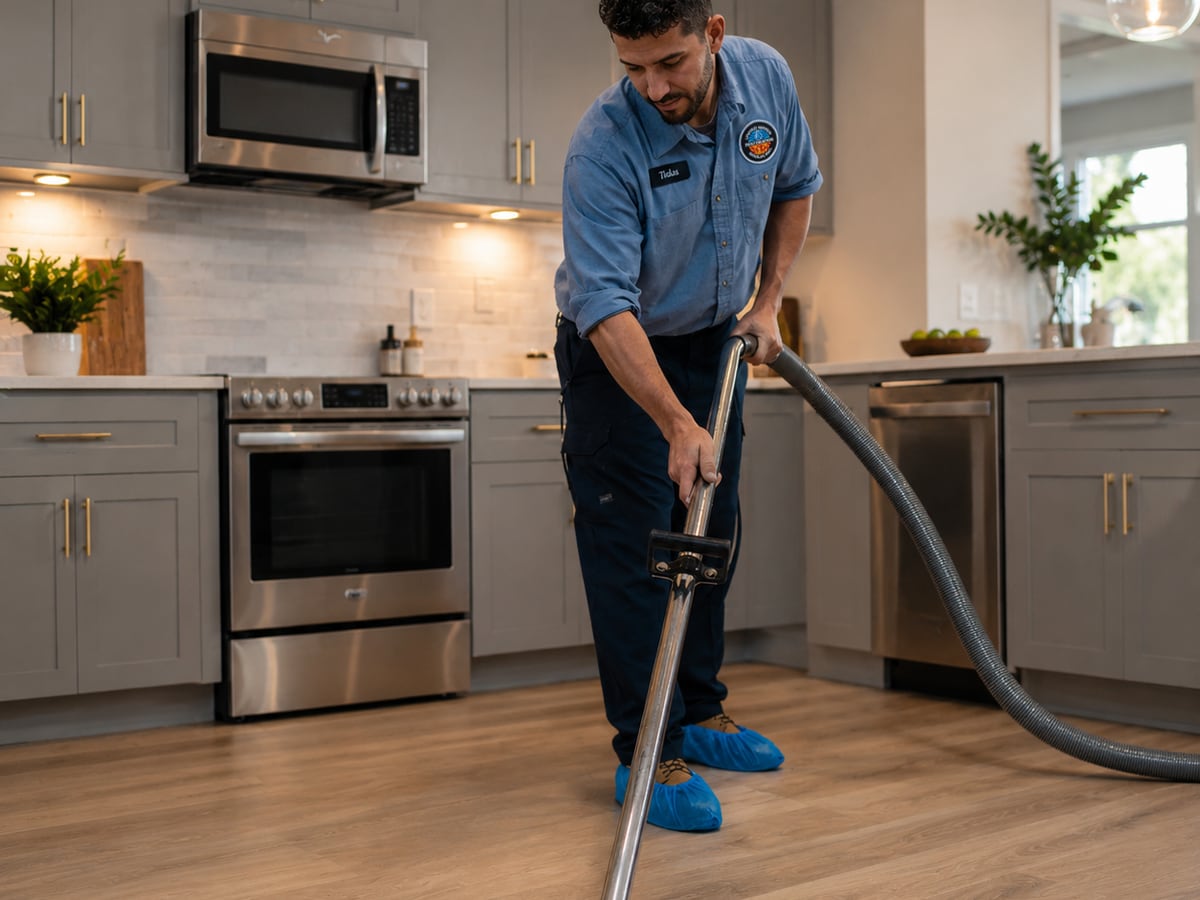
  3. A technician drawing water out of a kitchen floor with an extraction wand

    Step 03

    Water Extraction and Moisture Removal

    We use high-capacity water extractors and low-grain refrigerant dehumidifiers to thoroughly remove moisture from your property. Our air movers and drying logs ensure that no hidden water compromises the integrity of your structure.

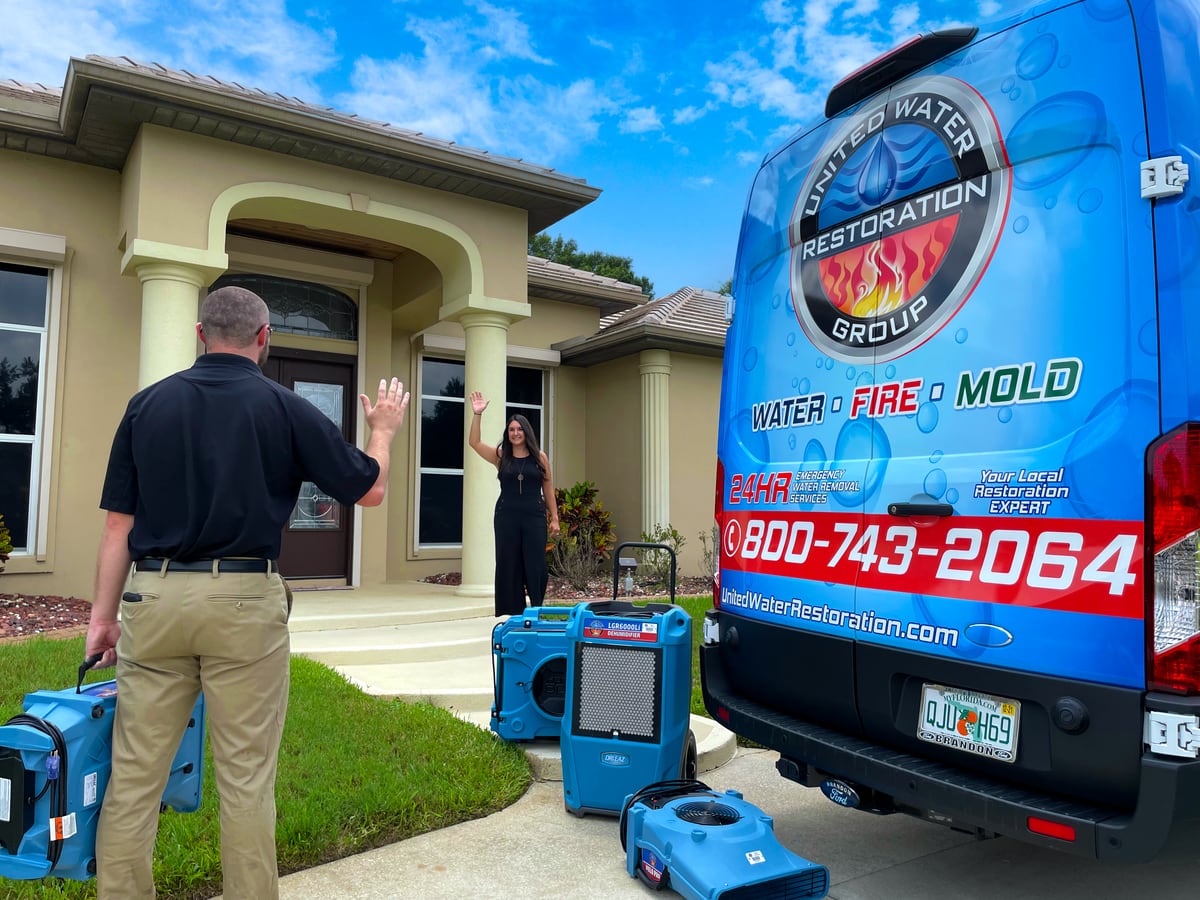
  4. A technician carrying equipment back to the van, waving to the homeowner at her door

    Step 04

    Structural Repairs and Sanitization

    After drying, we address any structural repairs needed, ensuring stability and safety. We apply antimicrobial treatments and sanitizer to all at-risk areas to eliminate potential mold growth and ensure a healthy environment.

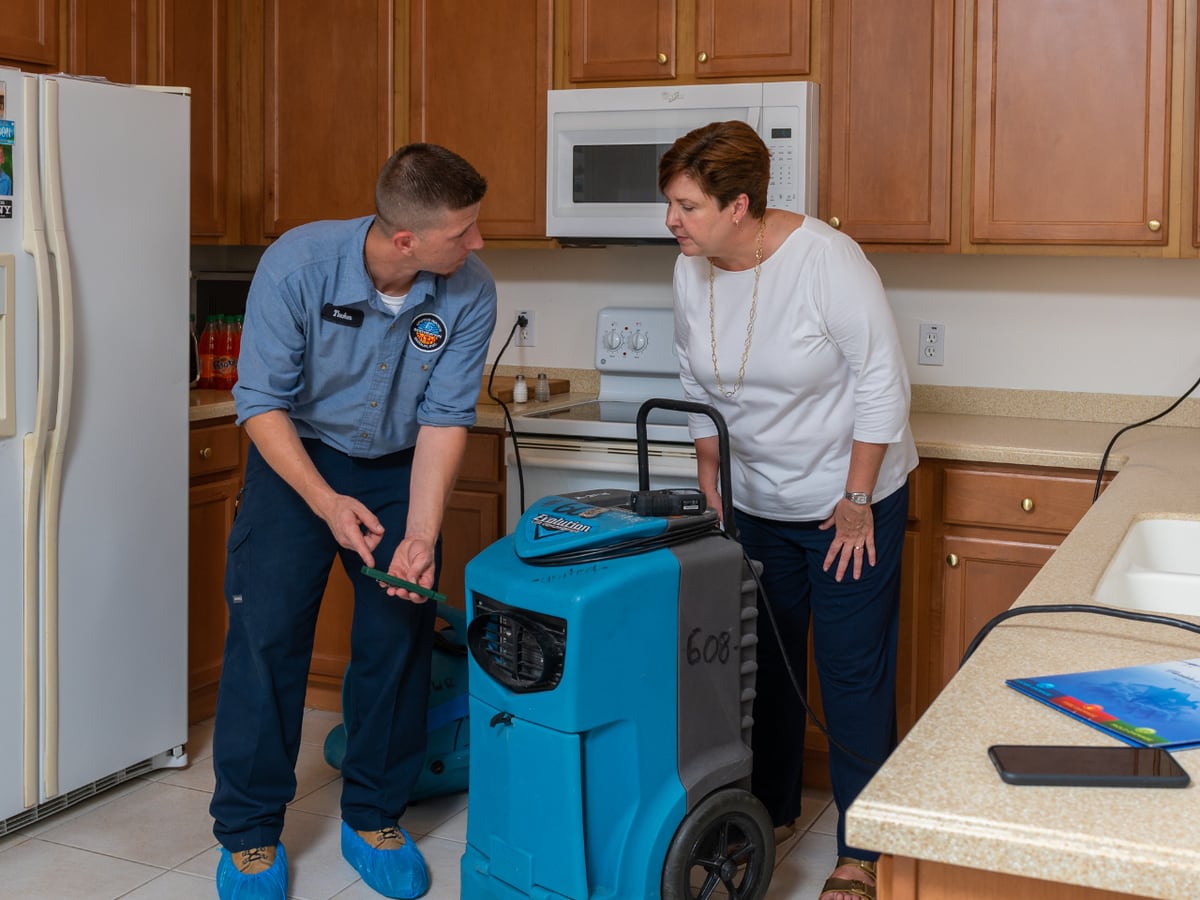
  5. Two technicians setting up drying equipment in a kitchen

    Step 05

    Final Inspection and Insurance Assistance

    A final inspection guarantees all storm damage has been addressed. We assist in the insurance claims process by providing comprehensive reports and working directly with your insurance adjuster to facilitate a smooth restoration experience.

We Work With Your Insurance

Restoration is stressful enough without fighting through a claim alone. Our crews document everything — photos, moisture readings, and a clear scope of work — in the format adjusters expect, and we communicate with your insurance company throughout the job. You always know what is happening and what your policy covers before work begins.

AllstateState FarmLiberty MutualProgressiveNationwideFarmers InsuranceAmerican Family InsuranceChubbUniversal Property & CasualtyHeritage Insurance
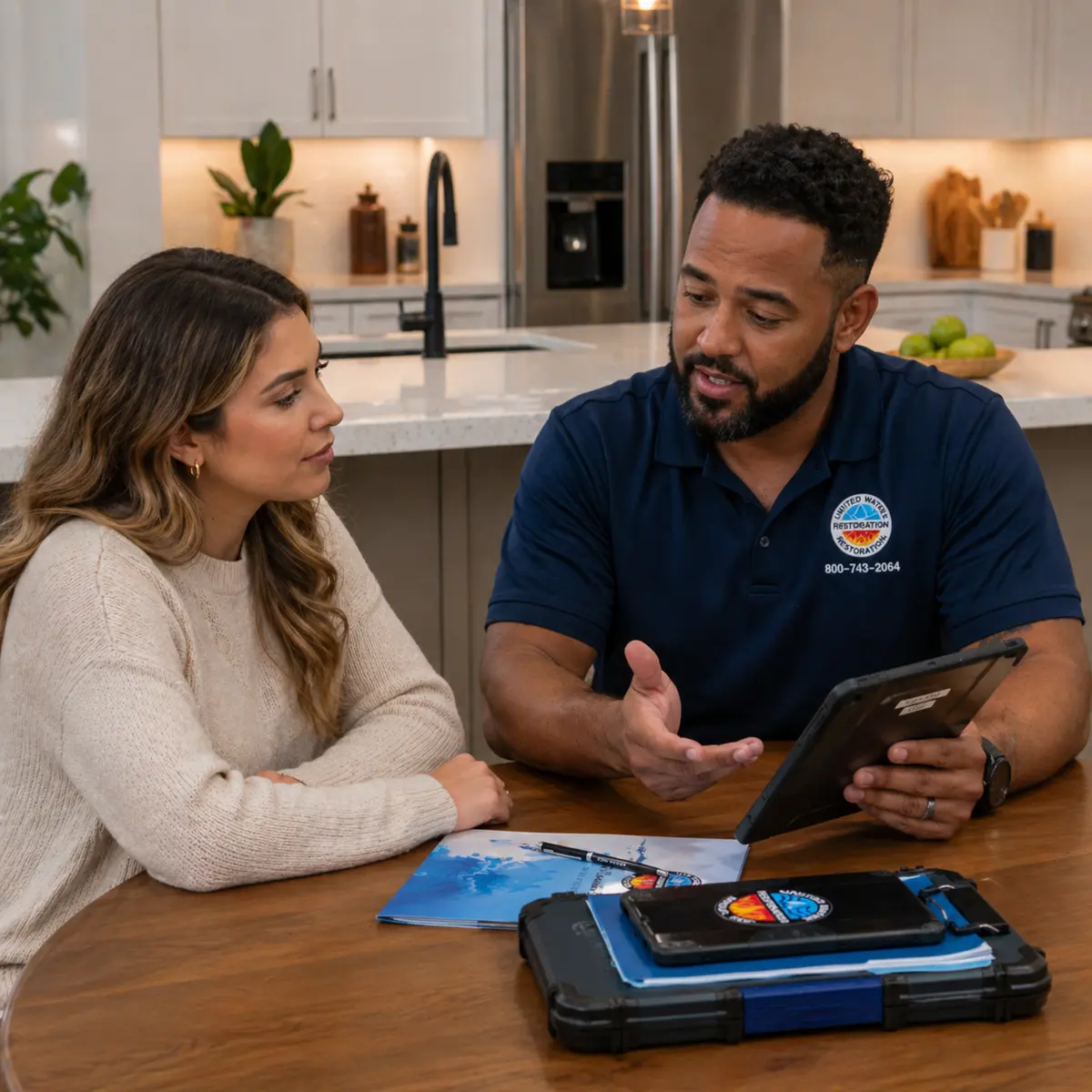
Technician walking a homeowner through the insurance scope on a tablet

What This Service Covers

Basement flood cleanupRoof and siding repairWater extraction servicesMold prevention and mitigationSump pump backup solutionsDrywall and subfloor dryingSewage and stormwater removalInsurance documentation supportAntimicrobial treatmentMoisture mapping and monitoring

The impact of a storm on your property can be overwhelming, but relief is just a phone call away. Act immediately by reaching out to United Water Restoration Group of Downriver at (734) 371-5880, where our team is ready to provide expert storm damage cleanup and turn chaos into calm. Our expertise, coupled with our understanding of local challenges, ensures your home is in good hands. Contact us today, and let us help restore peace and security to your home.

Frequently Asked Questions

How do you tell if water got behind the walls, under the floor or behind the cabinets?

Visible staining is usually smaller than the wet area. Technicians map it with a moisture meter and thermal imaging, then compare readings against a dry standard elsewhere in the same building — the restoration standard, ANSI/IICRC S500, works from that comparison rather than from how a surface looks or feels. Water trapped behind cabinets and under flooring shows up in the readings before it shows on the wall.

How many days does drying take, and how long is the whole job?

Three to five days is typical once air movers and dehumidifiers are running, though every loss is different and yours may need more time or less. The equipment stays until daily moisture readings match a dry standard in the same building, which is how ANSI/IICRC S500 defines dry rather than by a fixed count of days. Any rebuilding — flooring, drywall, paint — is a separate stretch of time after that and depends on what came out.

Do you pump out and extract standing water after a flood?

Standing water removal is the first thing crews do — submersible pumps for depth, then truck-mounted and portable extraction to pull what the pumps cannot reach, followed by drying equipment. Before extraction starts, the water gets categorized 1 through 3 under ANSI/IICRC S500, because clean supply water, used water and sewage are handled differently. The phone is answered around the clock, and you will get an honest arrival window for your address on the call.

What equipment do you use, and do you disinfect the area afterward?

Drying runs on air movers paired with low-grain refrigerant dehumidifiers, sized to the room's volume and the Class of loss the way ANSI/IICRC S500 lays out. Where material is contaminated or disturbed, HEPA vacuums and HEPA-filtered air scrubbers capture 99.97 percent of particles at 0.3 microns. Antimicrobial treatment is applied when the water category or the affected material calls for it, which depends on the specific loss rather than being routine.

What happens during water damage restoration, step by step?

Inspection first: the water is traced to its source, categorized 1 through 3 and the Class of loss is set, which is what ANSI/IICRC S500 bases the drying plan on. Then extraction, removal of material that cannot be dried, and placement of drying equipment with readings taken and logged daily until they match a dry standard elsewhere in the building. Repairs follow. What comes out, and how much, varies with the specific loss.

Can my carpet and flooring be dried and saved, or does it have to be torn out?

It depends on the water category and how long the material stayed wet, and that call is made from meter readings rather than appearance. Under ANSI/IICRC S500, carpet wet with clean Category 1 water can often be dried in place with the pad replaced, while Category 3 carpet and pad come out. Hardwood is sometimes dried with specialty mat systems; laminate rarely survives. Those are the typical outcomes; which one applies to your floor turns on the specifics.

Can I dry it out myself with fans and a dehumidifier, or do I need a professional?

Household fans move surface air but do not pull moisture out of the structure, so water inside wall cavities and under flooring keeps evaporating after the surface feels dry. That matters on a clock: EPA guidance is that wet material dried in the first 24 to 48 hours will in most cases not grow mold. A small clean-water spill caught immediately is often manageable; anything that soaked into walls, insulation or subfloor is not.

Can you find where the water is coming from if I don't know the source?

Identifying and stopping the source comes before drying — ANSI/IICRC S500 treats an unresolved source as a reason not to begin, since a structure still taking on water cannot be dried. The source also sets the water category, 1 through 3, which decides how wet material is handled. Moisture meters, thermal imaging and the shape of the wet area usually locate it, though some sources sit behind a pressurized line or roof assembly and need a plumber or roofer to open and test.

Do you handle water and moisture in a crawl space?

Yes — a crawl space dries like any other contained space: standing water pumped out, saturated insulation and vapor barrier pulled where they are holding moisture, then dehumidification until the framing reads at a dry standard. Water that has touched ground soil is Category 3 under ANSI/IICRC S500, so the material handling is stricter than a clean supply leak. Whether sealing or encapsulation afterward is in scope varies by office, so ask on the call.

Can you stop the water from getting in again?

Restoration work removes the water and dries the structure; keeping it out is a repair to whatever let it in, and that is a separate conversation. The inspection documents the entry point, which is what any fix has to follow. Exterior water usually traces to grading, gutters or flashing — the International Residential Code asks for the ground to fall six inches across the first ten feet out from the foundation. Which repairs are in scope depends on the property.

If the water sat for a while, will it cause mold or rot?

Time matters more than volume. EPA guidance is that wet material dried in the first 24 to 48 hours will in most cases not grow mold, and past that window the question changes from drying to assessing what has already grown — remediation then follows IICRC S520 rather than S500. Wood decay needs sustained moisture, generally above about twenty percent content, so a short soak and a week of standing water are different problems.

Does wet drywall have to be cut out, or can it be dried in place?

Often it can be dried in place. With clean Category 1 water, the baseboard comes off and the wall cavity is dried through small holes behind it, which leaves the wall intact. When the water was contaminated or the paper facing has lost strength, ANSI/IICRC S500 calls for removal, and the cut is usually made 12 to 24 inches above the wet line so the replacement lands on framing. The readings decide which applies.

Is the water in my home dangerous, and does the area need to be sanitized?

ANSI/IICRC S500 sorts water into three categories: 1 is clean supply water, 2 is used water such as dishwasher or washing machine discharge, and 3 is grossly contaminated, including sewage and water that has touched ground soil. Clean water does not stay clean as it sits in building materials. The EPA and CDC describe mold and sewage exposure as a health concern, particularly for children, older adults and anyone with asthma. Containment and antimicrobial treatment apply at 2 and 3, depending on the loss.

Request Service Online

Tell us what happened and we will call you right back. For emergencies, calling (734) 371-5880 is always fastest — we answer 24/7.

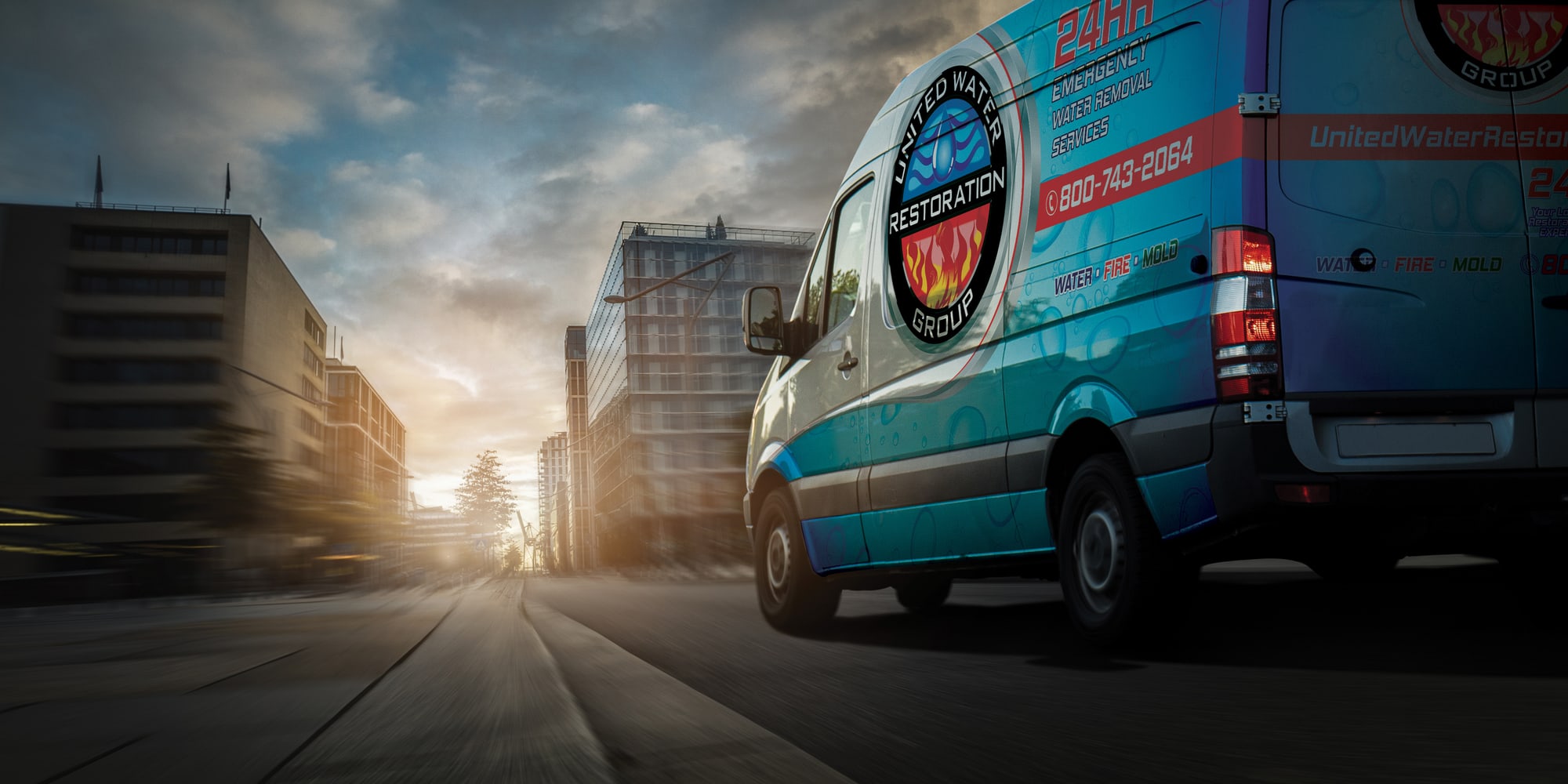
A United Water Restoration Group of Downriver van heading out on an emergency call at sunset

In Case of Property Damage, Call:

734-371-5880

We answer around the clock and dispatch from right here in Romulus.

IICRC Certified · Water · Fire · Mold · 24/7 Emergency Response