Mold Remediation

Serving all of Downriver · Open 24/7 · (734) 371-5880

In the neighborhoods of Allen Park, with its charming post-war homes, the steady summers and humidity can become a breeding ground for mold, especially in those basements overflowing during heavy thunderstorms. Homeowners call United Water Restoration Group of Downriver at (734) 371-5880 for prompt and professional mold remediation services. When you reach out, our certified team is ready to assess the extent, perform a mold inspection, and provide a tailored solution that thoroughly addresses the infestation while meeting the strict IICRC S520 standards for mold remediation.

  • Expert containment with 6-mil plastic sheeting
  • Advanced HEPA filtration to capture spores
  • Identification and repair of moisture sources
  • Antimicrobial treatments ensure safety
  • Experienced in unique Downriver climates
  • Tailored solutions for basements and attics

Mold Remediation Techniques

Mold remediation in Downriver involves detailed techniques, starting with containment. Our team utilizes 6-mil plastic sheeting to seal off the affected areas, preventing the spread of mold spores during the cleanup process. Creating negative air pressure with strategically placed air scrubbers fitted with HEPA filters ensures that spores are captured before they can migrate. HEPA vacuuming is employed to further clean surfaces, leaving your home safer.

The remediation process is completed by following the IICRC S520 standard, which includes antimicrobials application to eradicate mold. Post-remediation verification through third-party clearance testing confirms the success of our efforts. Whether dealing with Stachybotrys or Aspergillus, it's crucial to maintain relative humidity below 50 percent to prevent future growth. Addressing the root cause, such as hidden leaks or poor attic ventilation, is vital in preserving your home's integrity.

Common Mold Issues in Downriver Homes

Downriver area homes, especially in places like Lincoln Park with its older construction and basement presence, are highly susceptible to mold. Basements, naturally high in humidity, can become prime locations for mold without proper humidity control. Mold often arises from unnoticed slow plumbing leaks, condensation points in improperly ventilated bathrooms, or continuous basement humidity due to insufficient drainage systems.

Another frequent challenge is attic mold resulting from inadequate insulation and poor ventilation, especially during freezing winters when warm indoor air meets cold roof surfaces, creating condensation. Winter also heralds the risk of burst pipes and subsequent water spillages, often leading to unnoticed mold behind walls. All these scenarios demand professional inspection and remediation to maintain the air quality and health of your household.

Understanding Insurance and Mold Damage

Navigating the insurance landscape for mold remediation can be complex. Most homeowner's insurance policies cover mold remediation if it's due to a peril already covered, such as water damage from a burst pipe. It’s crucial to review your policy and understand the specifics, especially in areas where foundational groundwater pressure is a concern.

Once mold is identified, documenting the damage with photographs and detailed reports will assist when dealing with your insurance. United Water Restoration Group of Downriver collaborates with you by providing necessary documentation, including post-remediation verification and third-party clearance testing results. This ensures a seamless claims process, allowing you to focus on recovery rather than red tape. Always check for clauses, coverage limits, and the need for additional riders that might be necessary for older homes in this region.

Common Causes We See in Downriver

  • Slow plumbing leak: Often hidden within walls.
  • Basement humidity: Common in Downriver's aging homes.
  • Bathroom ventilation failure: Leads to excess moisture.
  • Frozen pipes and thawing: Water damage that breeds mold.
  • Sump pump failure: Causes basement water overflow.
  • Condensation on cold surfaces: A winter problem.
  • Flooding from storms: Basement water entry.
  • Backed-up floor drains: Sewage adds a mold risk.

While You Wait for the Crew

A few minutes of the right first moves can save thousands in damage. Here is what to do — and what not to do — before we arrive.

Do

  • Turn off AC and HVAC to prevent spore spread.
  • Open windows to allow fresh air circulation.
  • Wear a mask and gloves for personal safety.
  • Remove small items from affected areas if safe.

Don’t

  • Don't try to DIY remediate large areas.
  • Avoid using fans, which can spread spores.
  • Do not ignore musty odors as insignificant.

Crews are standing by in Downriver right now.

Call (734) 371-5880

How It Works

Here Is What Happens When You Call

The hardest part of property damage is facing it on your own. You do not have to — from the first phone call, it is our job, not yours.

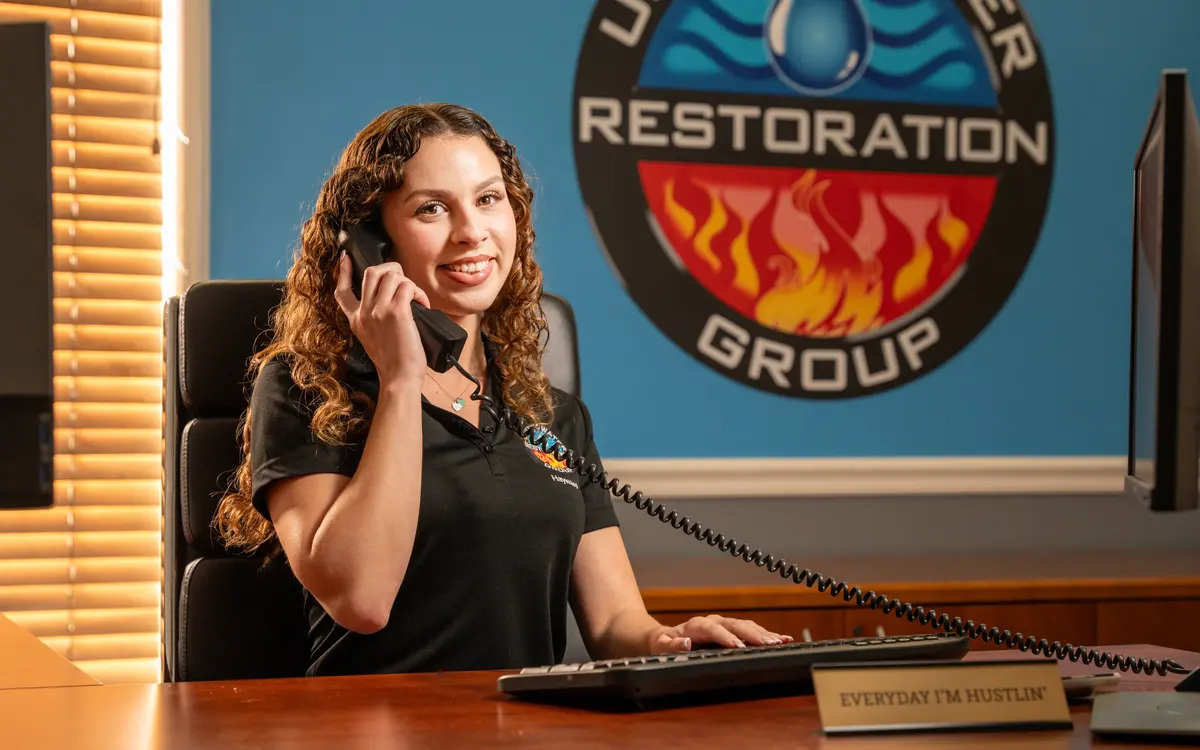
  1. A dispatcher at her desk answering the phone

    Step 01

    Inspection and Assessment

    A thorough inspection is conducted to identify the type and extent of mold growth. Mold inspections utilize moisture meters to pinpoint hidden sources of moisture.

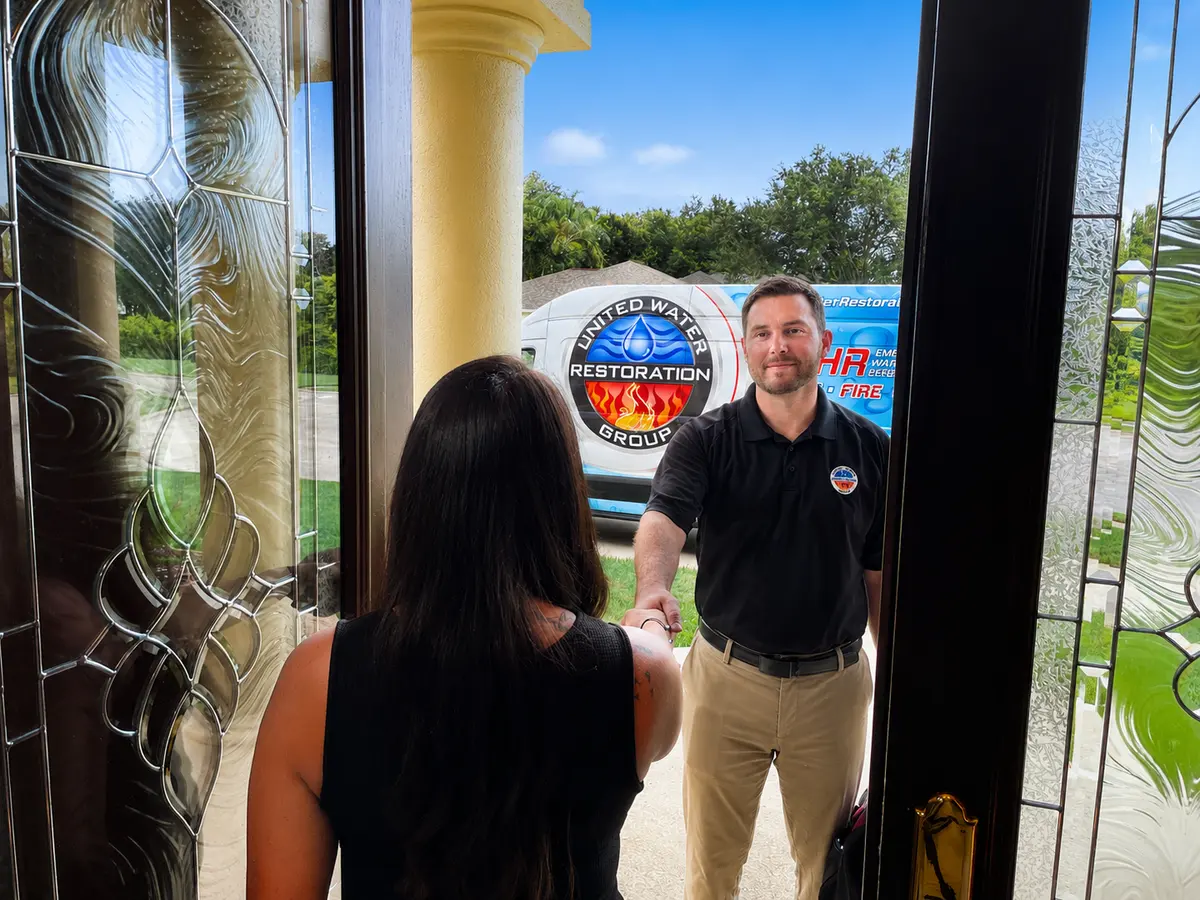
  2. A technician arriving at a homeowner’s front door to look at the damage

    Step 02

    Containment

    The area is secured using 6-mil plastic sheeting. Negative air machines with HEPA-filtered scrubbers contain the spores within the designated zone.

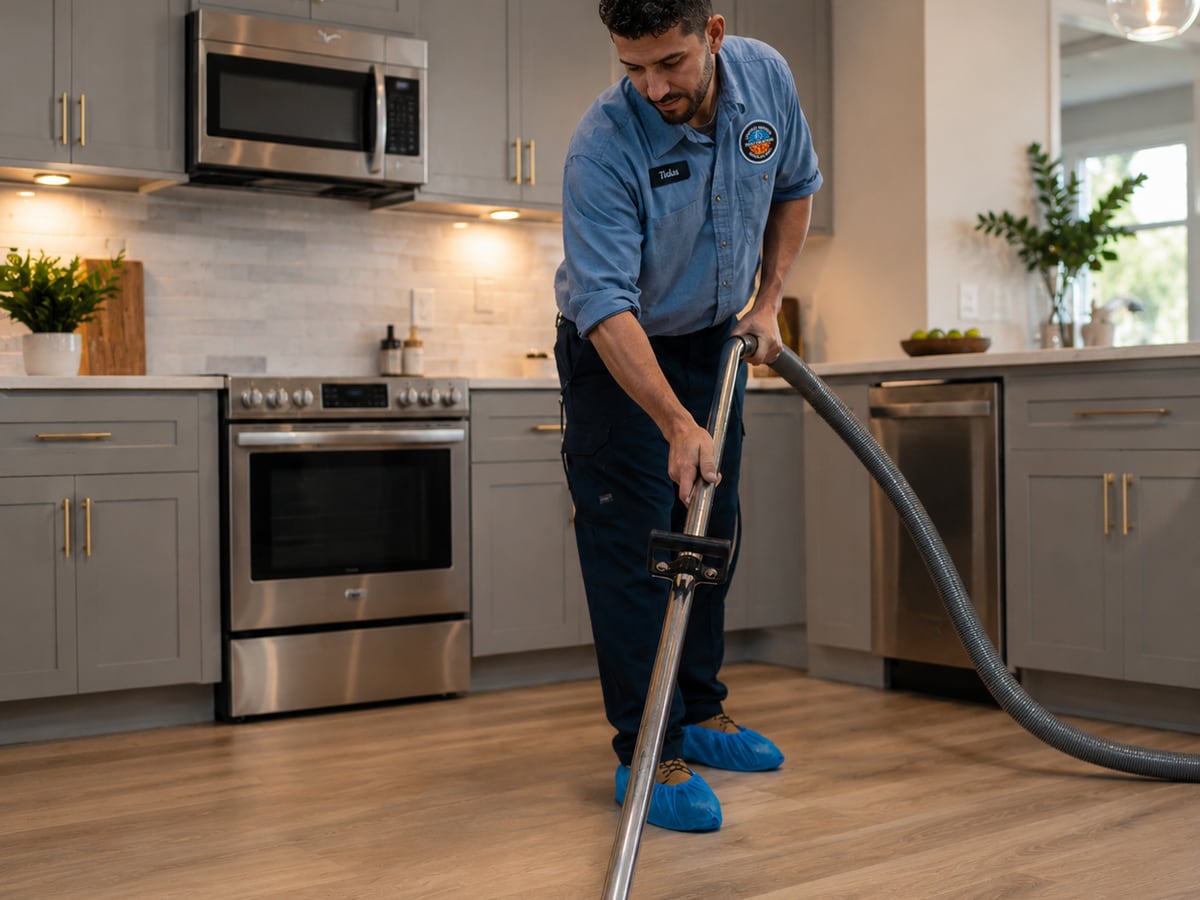
  3. A technician drawing water out of a kitchen floor with an extraction wand

    Step 03

    Removal and Cleaning

    Contaminated materials are safely removed and bagged for disposal. Surfaces are scrubbed and vacuumed with HEPA vacuums to remove spores.

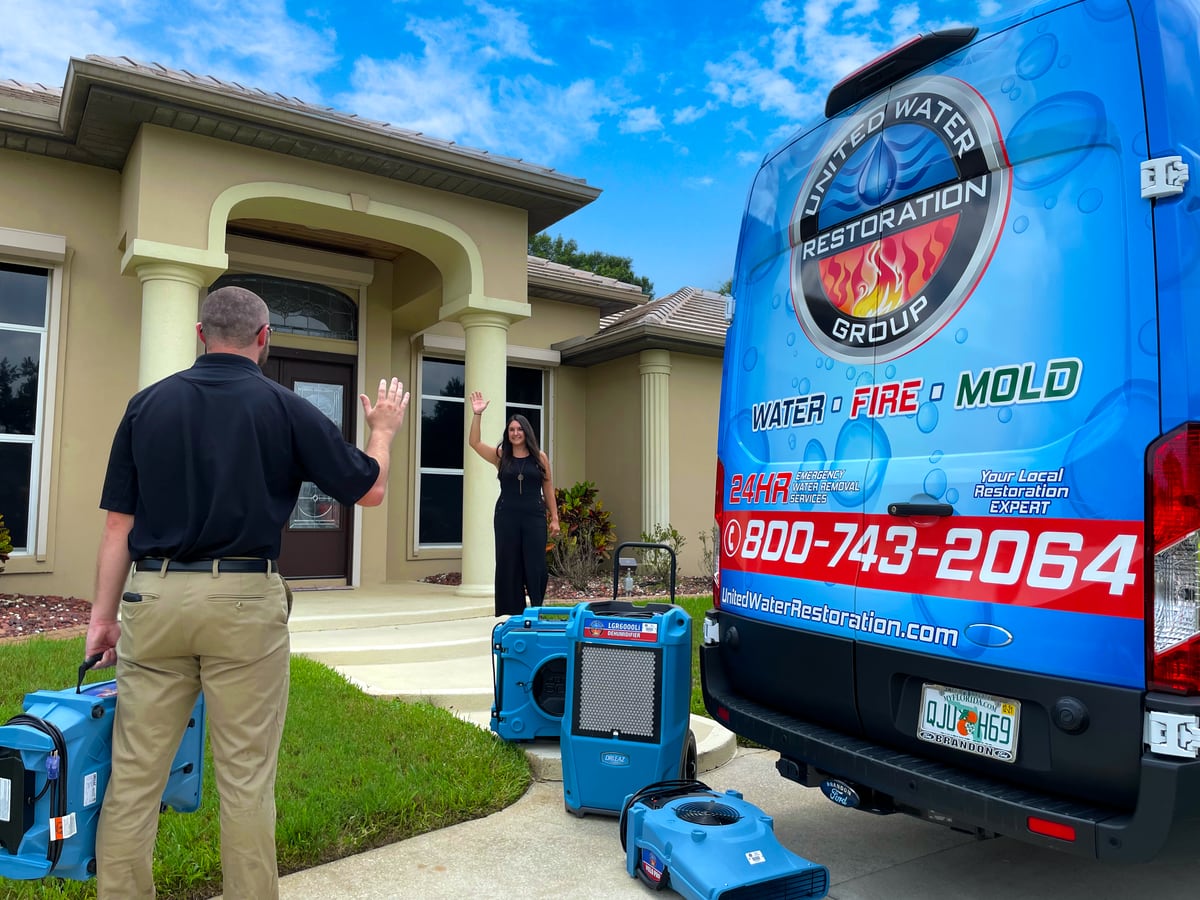
  4. A technician carrying equipment back to the van, waving to the homeowner at her door

    Step 04

    Antimicrobial Treatment

    An application of antimicrobial agents prevents future mold growth. This step is critical for sterilizing the environment post-cleanup.

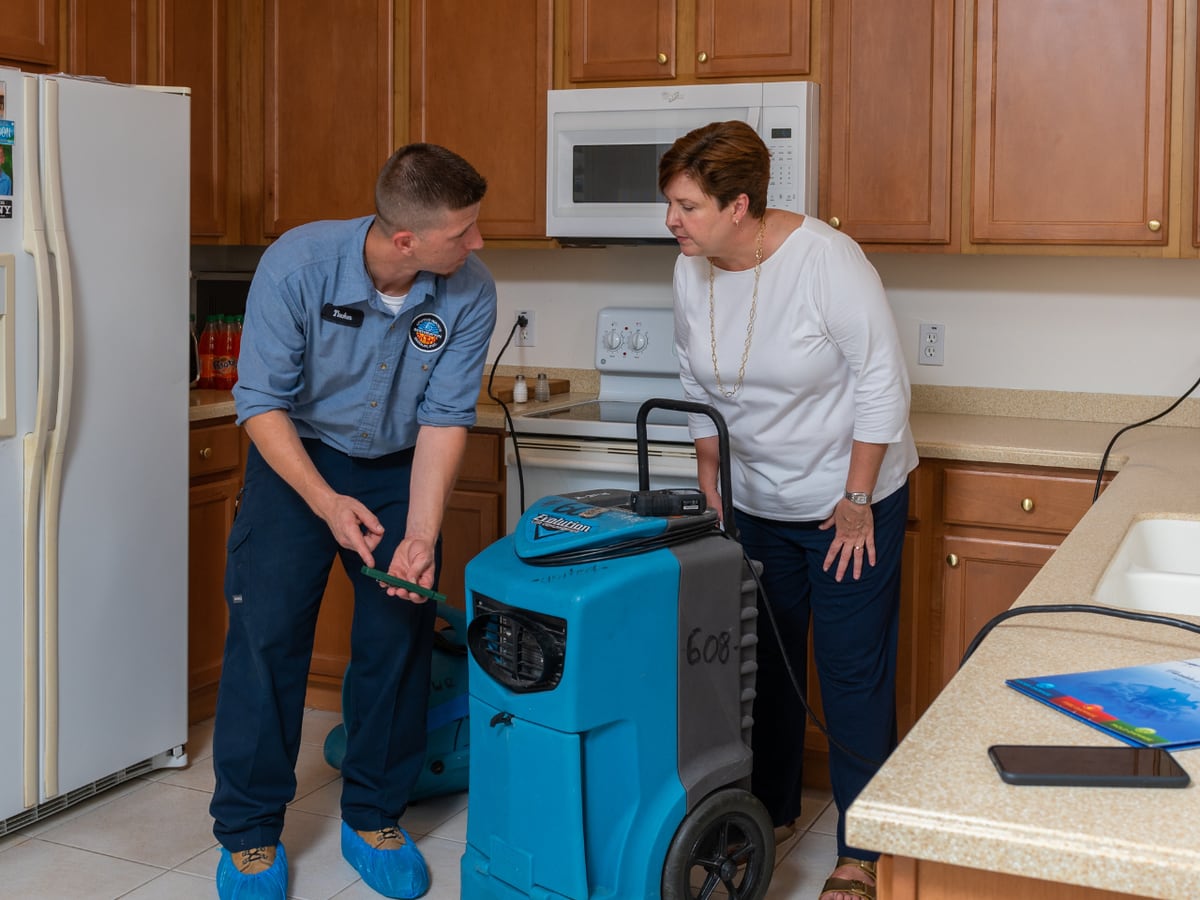
  5. Two technicians setting up drying equipment in a kitchen

    Step 05

    Verification and Testing

    Post-remediation verification is conducted, often through third-party clearance testing, to ensure air quality and mold levels are safe.

We Work With Your Insurance

Restoration is stressful enough without fighting through a claim alone. Our crews document everything — photos, moisture readings, and a clear scope of work — in the format adjusters expect, and we communicate with your insurance company throughout the job. You always know what is happening and what your policy covers before work begins.

AllstateState FarmLiberty MutualProgressiveNationwideFarmers InsuranceAmerican Family InsuranceChubbUniversal Property & CasualtyHeritage Insurance
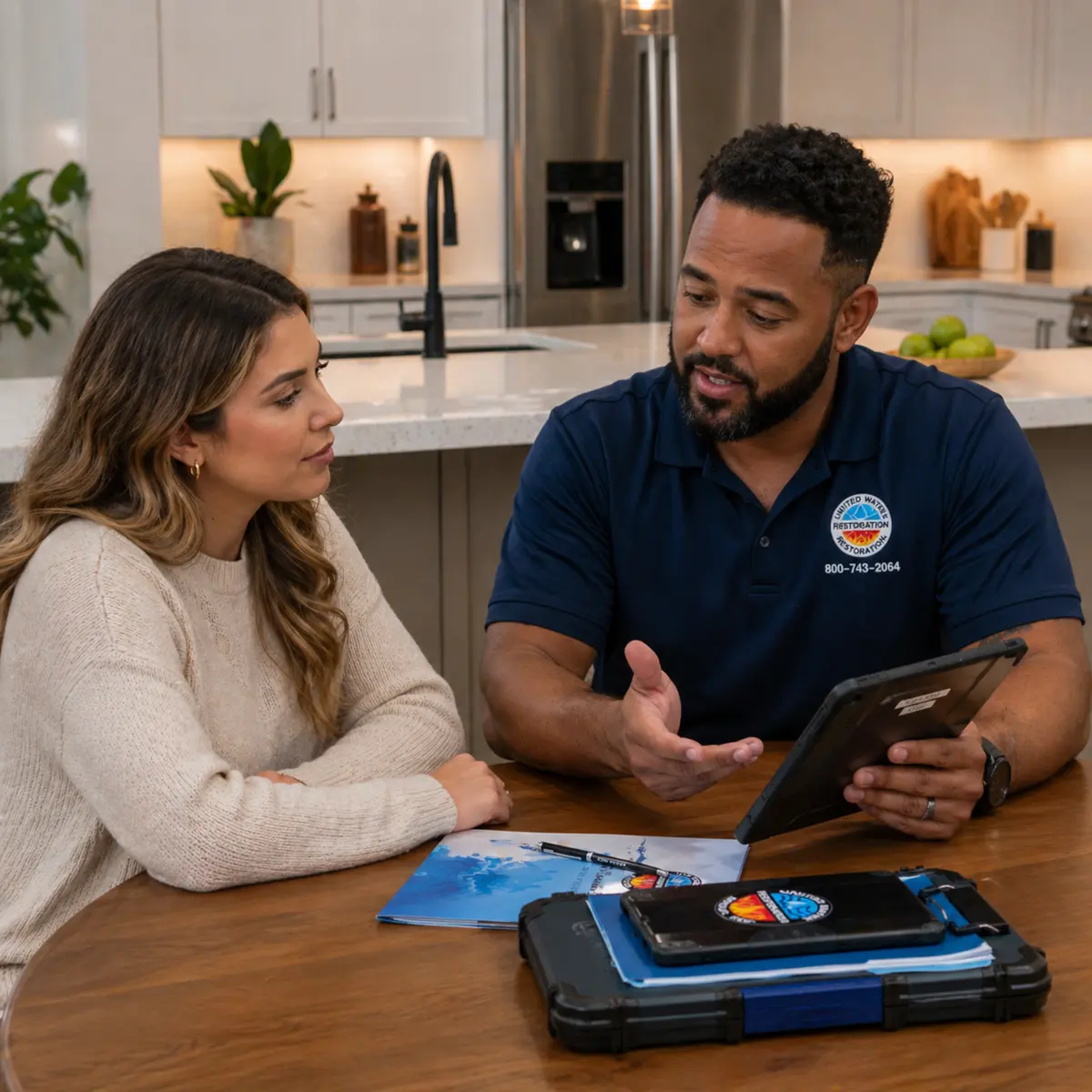
Technician walking a homeowner through the insurance scope on a tablet

What This Service Covers

Basement mold removalAttic mold remediationCrawl space microbial treatmentComprehensive mold inspectionBlack mold removalMoiture source repairAir quality testingEncapsulation serviceControlled demolitionHumidity control solutions

Returning your Downriver home to a healthy and safe environment is our priority. Your living space should be free of harmful mold spores that compromise air quality and may cause health issues. Whether you’ve detected a musty odor, experienced a recent leak, or suspect hidden mold in your walls, United Water Restoration Group of Downriver is here to help. Call (734) 371-5880 today, and let us provide peace of mind with our expert mold remediation services, ensuring your home is in the clear.

Frequently Asked Questions

Is black mold harmful to my family?

Yes, black mold can pose health risks to your family, especially for those with respiratory issues or weakened immune systems. Common symptoms include coughing, sneezing, and other allergic reactions. It's important to address mold issues quickly and effectively to protect your household's health.

Can I remove mold myself using bleach?

While bleach can kill mold on non-porous surfaces, it does not penetrate porous materials like drywall or wood. This can cause the mold to return if not properly removed. It's often more effective to contact professionals who can thoroughly address the mold problem.

What are common reasons for mold to keep returning?

Mold often returns due to persistent moisture issues, inadequate ventilation, or incomplete removal during previous remediation efforts. In basements, factors like flooding or improper drainage can contribute to these conditions. Ensuring proper moisture control is key to preventing mold regrowth.

Does homeowners insurance cover mold remediation?

Coverage for mold remediation varies by policy and provider. Many policies cover mold related to water damage, while others may have specific exclusions. It's best to review your policy details or talk with your insurance agent to understand your coverage in Downriver.

How can I tell if mold is hiding behind my walls?

Signs of hidden mold behind walls include discoloration, a musty odor, or water damage on visible surfaces. If you suspect mold is present, it’s wise to consult professionals who can conduct a thorough inspection and identify any hidden issues.

Is mold testing necessary before remediation in Downriver?

Mold testing is not always required before remediation, especially if visible mold is present. However, testing can help determine the extent of the problem and identify the type of mold, which may be useful for targeted remediation efforts. Contact us for guidance specific to your situation.

Request Service Online

Tell us what happened and we will call you right back. For emergencies, calling (734) 371-5880 is always fastest — we answer 24/7.

A United Water Restoration Group of Downriver van heading out on an emergency call at sunset

In Case of Property Damage, Call:

734-371-5880

We answer around the clock and dispatch from right here in Romulus.

IICRC Certified · Water · Fire · Mold · 24/7 Emergency Response